
Australia is often imagined through its great outdoors: dramatic coastlines, red desert horizons, ancient forests and vast open skies. Yet some of the country’s most compelling discoveries lie in the stories held within these landscapes, the art that reflects its many identities, and the places that preserve its history.
Here, culture is not confined to galleries or historic buildings. It lives in ancient rock art, in the architecture of a world-famous performing arts centre, in the memories of a former penal settlement, and in the remarkable ingenuity that connects communities across the outback.
For travellers wondering what are the best cultural experiences in Australia, the answer is as diverse as the country itself.
From the enduring cultures of First Nations peoples to the stories that have shaped modern Australia, these eight experiences offer a deeper way to discover the country.
1. Kakadu National Park: A Landscape That Holds Ancient Stories
Where can you experience Australia’s Indigenous culture and ancient rock art?
In Australia’s Northern Territory, Kakadu National Park is a place where cultural heritage and the natural world are inseparable.
For the Bininj/Mungguy people, this is more than a landscape of wetlands, escarpments and open country. It is Country: a place of belonging, ancestral stories, cultural responsibility and continuing connection.
At rock art galleries such as Ubirr and Burrungkuy (Nourlangie), paintings record aspects of life, the natural world and encounters between different cultures over thousands of years. These are not simply images left behind by earlier generations. They are part of a living cultural tradition that continues to hold meaning for Aboriginal communities today.
Exploring Kakadu with a knowledgeable Aboriginal guide can bring another dimension to the experience. The landscape begins to reveal itself through stories of ancestral beings, traditional knowledge, native plants and the relationships between people and place.
For anyone seeking meaningful Indigenous cultural experiences in Australia, Kakadu offers an opportunity to listen, learn and appreciate a heritage that stretches back tens of thousands of years.
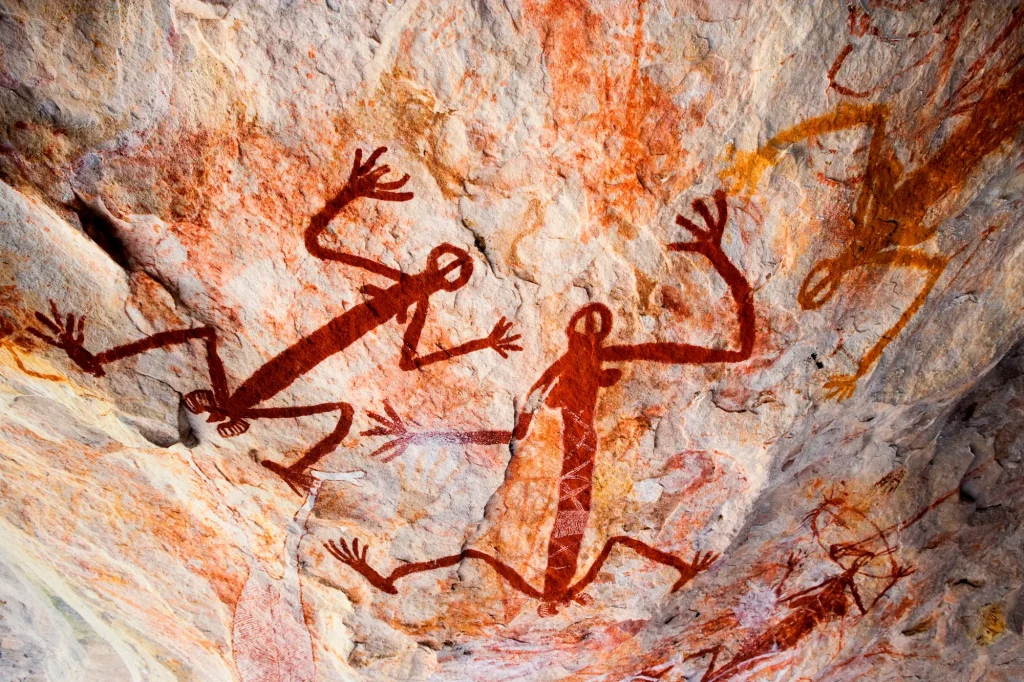
2. The Grampians: Reading Ancient Rock Art in Gariwerd
Where can you see Aboriginal rock art in Victoria?
In Victoria, the rugged sandstone ranges of the Grampians are known as Gariwerd to the Traditional Owners, including the Djab Wurrung and Jardwadjali peoples.
The region’s rock art shelters offer a powerful encounter with one of Australia’s oldest continuing cultural traditions. Hand stencils, human figures and other motifs preserve expressions of identity, knowledge and connection to Country.
The setting is integral to understanding the art. Sheltered rock faces, surrounding ranges and the wider landscape are part of a cultural environment shaped by generations of relationship with the land.
A guided visit encourages a different way of looking at the Grampians. Rather than treating the rock formations simply as scenic attractions, visitors can begin to understand their place within Indigenous stories and cultural knowledge.
For travellers exploring cultural attractions in Victoria, Gariwerd offers a reminder that Australia’s heritage is not only preserved in collections and archives. Much of it remains connected to the places where its stories began.
3. Port Arthur Historic Site: Encountering Australia’s Convict Past
What can you learn at Port Arthur Historic Site in Tasmania?
On Tasmania’s Tasman Peninsula, Port Arthur preserves one of the most significant chapters in Australia’s colonial history.
Established as a penal settlement in the 1830s, it was part of the system through which convicts were transported to Australia. Today, its surviving buildings, ruins and carefully maintained grounds reveal something of the lives shaped by this institution.
The contrast is striking. The site’s peaceful setting can feel at odds with the harsh conditions endured by the people who lived and worked there.
Walking through Port Arthur invites reflection on punishment, confinement, hardship and the long legacy of transportation. Its history is not always comfortable, but it is essential to understanding how colonial Australia developed.
The site also carries the memory of the 1996 tragedy, adding another layer to its significance in contemporary Australian history.
For visitors interested in Australian history and heritage, Port Arthur is more than a historic attraction. It is a place that asks us to consider how the past is remembered, and how its consequences continue to shape the present.
4. National Gallery of Victoria: Australia’s Story Through Art
Which art galleries should you visit in Melbourne?
Culture can also be discovered through colour, form, materials and ideas. At the National Gallery of Victoria (NGV), Australia’s oldest public art museum, these come together in collections spanning Australian and international art.
A visit offers an opportunity to move between artistic periods, styles and perspectives, exploring how artists interpret the world around them. Works across painting, sculpture, design and other mediums create a conversation between historical traditions and contemporary expression.
For travellers, the experience is also a way to understand Melbourne’s place within Australia’s cultural life. The city has a long-standing creative identity, and the NGV provides a window into the ideas and influences that continue to shape it.
Those looking for cultural things to do in Melbourne will find that a gallery visit offers a welcome counterpoint to the city’s cafés, neighbourhoods and streets: time to observe, reflect and discover something unexpected.
5. Australian War Memorial: Remembering the People Behind the History
Why is the Australian War Memorial important?
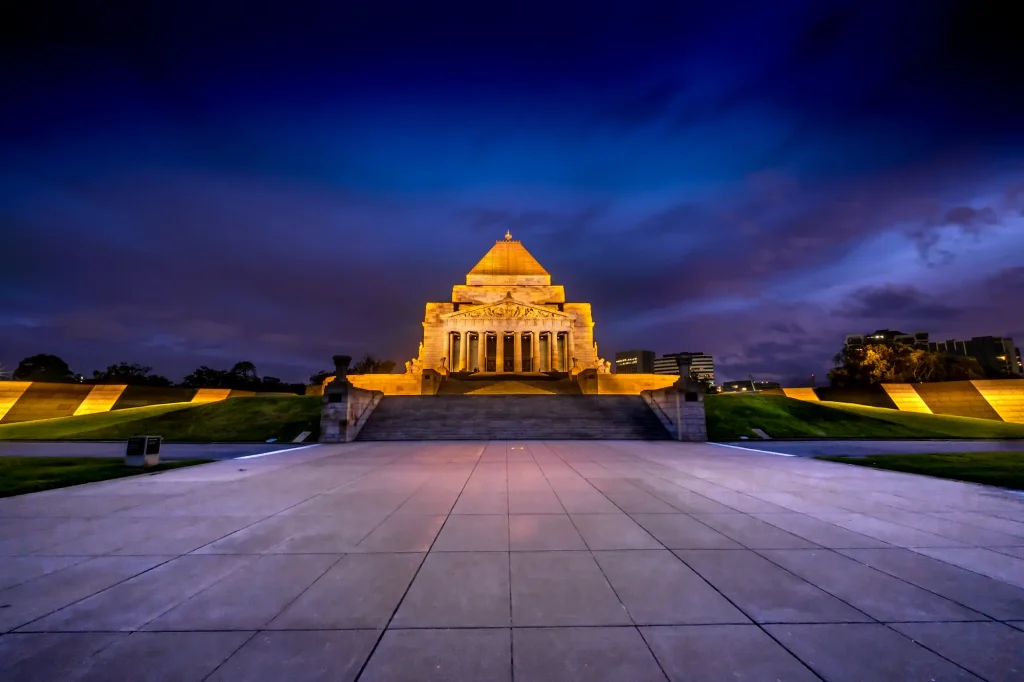
In Canberra, the Australian War Memorial brings together a shrine, museum and extensive collection documenting the country’s military history.
Its significance lies not only in the conflicts it records, but in the individual lives and experiences behind them. Exhibitions, personal accounts, objects and archival material offer insight into the experiences of service personnel and the wider impact of war on Australian society.
The memorial’s daily Last Post Ceremony provides a particularly reflective moment, honouring those who served and those who lost their lives.
A visit invites a quieter kind of cultural engagement. It asks visitors to consider sacrifice, remembrance and the ways a nation chooses to tell its history.
For travellers interested in Australia’s national story, the Australian War Memorial provides a meaningful perspective on the events and people that have helped shape the country.
6. Royal Flying Doctor Service Museum: The Ingenuity of the Australian Outback
What makes the Royal Flying Doctor Service Museum in Alice Springs worth visiting?
Australia’s vast distances have shaped a distinctive way of life. In remote communities, access to essential services has long required ingenuity, adaptability and a deep understanding of the landscape.
The Royal Flying Doctor Service (RFDS) is one of the most remarkable responses to this challenge. The service delivers medical care to people living across some of Australia’s most remote regions.
At the RFDS Museum in Alice Springs, visitors can discover the history of this pioneering service and the role aviation and communications have played in connecting isolated communities with medical support.
The story offers a perspective on Australia that is often missed in conventional travel itineraries. Beyond its spectacular scenery, the outback is home to people whose everyday lives are shaped by distance, resilience and community.
For those seeking unusual museums in Australia, the RFDS Museum offers a compelling look at the practical innovation behind life in the country’s interior.
7. Sydney Opera House: Where Architecture Becomes a Cultural Experience
Is the Sydney Opera House worth visiting beyond its iconic exterior?
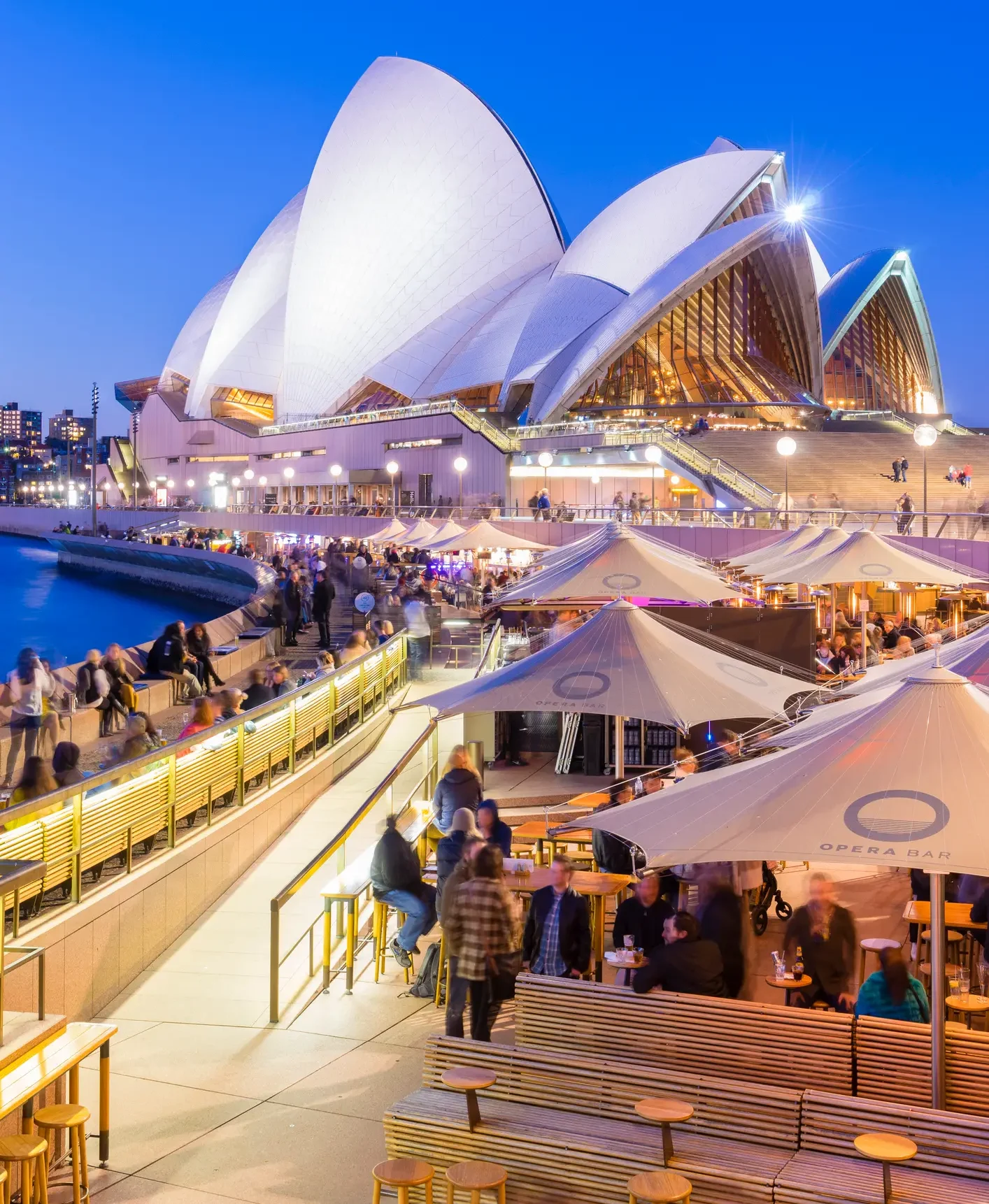
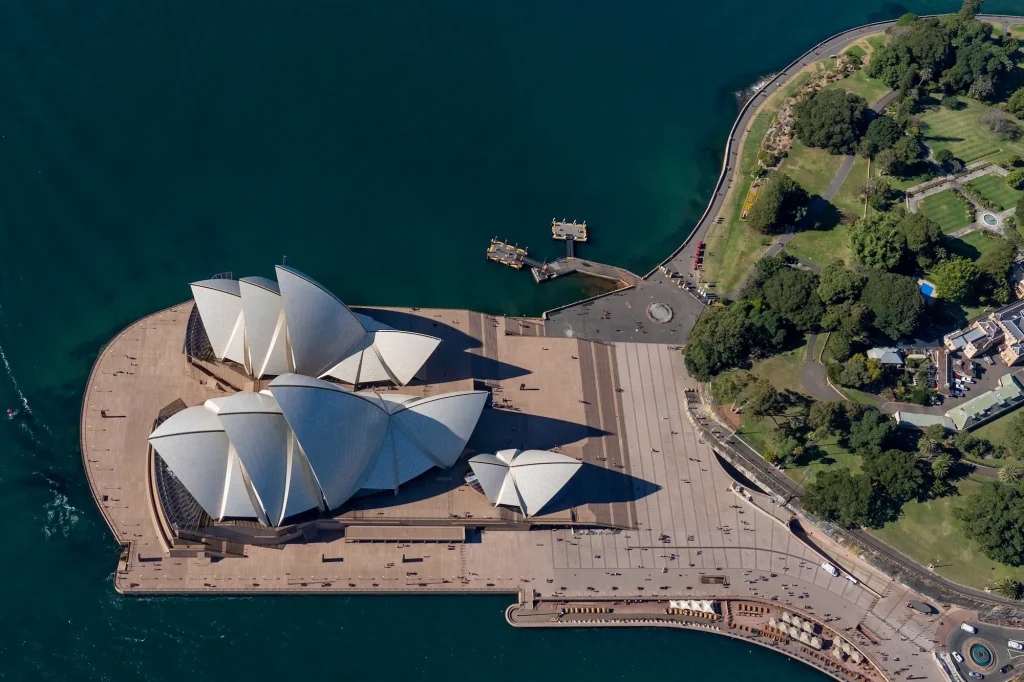
Few buildings are as instantly recognisable as the Sydney Opera House. Its distinctive roofline has become one of Australia’s defining images, but the building’s cultural significance extends far beyond its appearance.
Recognised as a UNESCO World Heritage site, the Opera House is a major performing arts venue where music, theatre, dance and other creative disciplines bring audiences together.
A guided tour can reveal the architecture, design thinking and history behind the building. Attending a performance offers another perspective altogether: the opportunity to experience the venue as a living cultural space rather than simply an architectural landmark.
For visitors searching for cultural experiences in Sydney, the Opera House is an essential stop precisely because it combines both. It is an extraordinary piece of architecture, but it is also a place where contemporary culture continues to unfold.
8. Fremantle: Exploring Western Australia’s Maritime Heritage
What are the best heritage experiences in Fremantle?
On the coast of Western Australia, Fremantle brings together maritime history, historic architecture and a distinctive port-city character.
Its heritage streets and nineteenth-century buildings offer glimpses into the development of the port and the people who shaped it. At Fremantle Prison, visitors can explore a site connected to Western Australia’s convict history, while the Western Australian Maritime Museum examines the relationship between the state, the ocean and seafaring.
Together, these places reveal how trade, migration, transportation and the sea have influenced Western Australia’s identity.
Fremantle’s cultural appeal is not limited to its historic sites. Its contemporary creative life sits alongside its built heritage, giving the city a character that feels both rooted in the past and firmly connected to the present.
For travellers exploring heritage sites in Western Australia, Fremantle offers a rewarding way to understand the region through its architecture, maritime traditions and evolving urban culture.
Discover the Stories That Make Australia
Australia’s cultural richness cannot be captured in a single place or a single period of history.
It is found in the continuing traditions of First Nations communities, in the difficult legacies of colonial settlement, in the creativity of its artists, in the stories of those who served, and in the innovation that has helped remote communities thrive.
Each of these experiences reveals a different dimension of the country. Together, they move the journey beyond the familiar landmarks and towards a deeper appreciation of Australia’s people, history and identity.
For travellers who want to experience Australia with greater curiosity and context, these encounters offer a meaningful place to begin.
Because to know a place is not only to see its beauty. It is to understand something of the stories that have made it what it is.
Frequently Asked Questions About Cultural Experiences in Australia
What are the best cultural experiences in Australia?
Some of Australia’s most distinctive cultural experiences include exploring ancient rock art in Kakadu and the Grampians, visiting Port Arthur Historic Site, discovering Australian art at the National Gallery of Victoria, and experiencing the Sydney Opera House. Museums and heritage sites in Canberra, Alice Springs and Fremantle offer further insight into the country’s history and identity.
Where can you learn about Aboriginal culture in Australia?
Kakadu National Park and the Grampians, also known as Gariwerd, are important places to learn about First Nations culture and rock art. Guided experiences led by Aboriginal people can provide valuable context about cultural traditions, ancestral stories and continuing connections to Country. Visitors should approach these places respectfully and follow local guidance.
Which museums are worth visiting in Australia?
The National Gallery of Victoria in Melbourne, Australian War Memorial in Canberra and Royal Flying Doctor Service Museum in Alice Springs each explore different aspects of Australian culture and history. The Sydney Opera House and Fremantle’s heritage sites also offer opportunities to explore architecture, performance and maritime history.
How can you explore Australia’s history beyond its major cities?
Consider visiting Kakadu National Park, the Grampians and Port Arthur Historic Site. These destinations reveal different aspects of the country’s cultural heritage, from ancient Indigenous rock art and continuing connections to Country to the history of colonial penal settlements.
Why include cultural experiences in an Australia itinerary?
Cultural experiences add context to a journey. They help travellers understand the people, traditions, historical events and creative influences behind the landscapes and landmarks they visit, making a trip more meaningful and memorable.