
Why Modern Travel Often Leaves Us Feeling Rushed
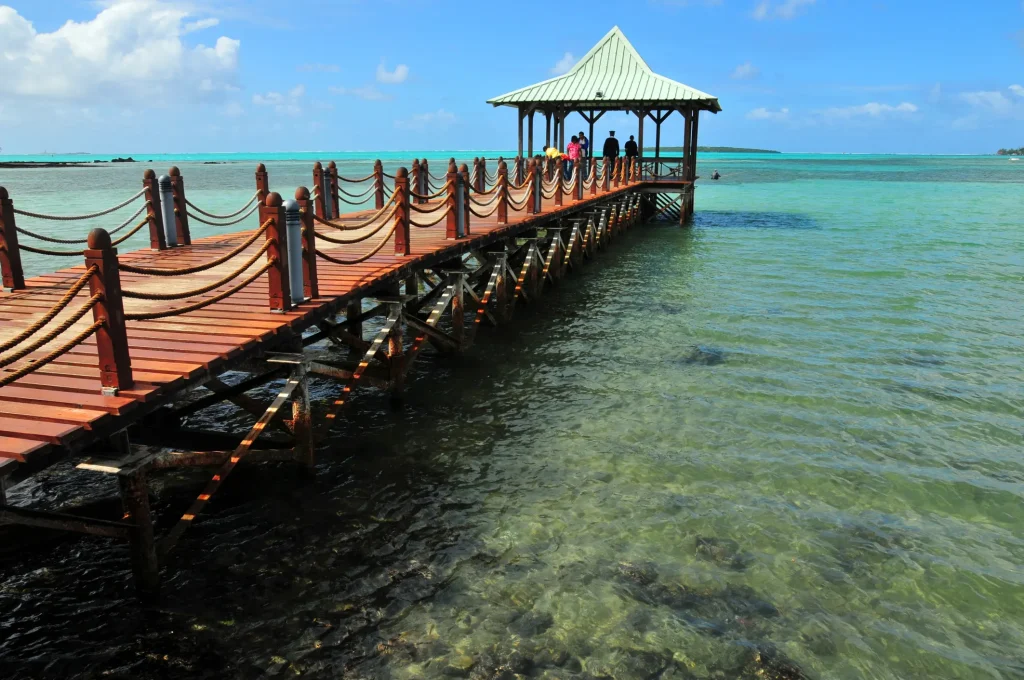
Travel today is often shaped by speed. Tight itineraries, long lists of places to see, constant movement from one highlight to the next. While these journeys may look full on paper, they often leave little room for presence, reflection or genuine connection. Many travellers return home having seen much, but felt very little.
This growing sense of travel fatigue is why so many people are now seeking slow travel experiences. Journeys that allow time to settle into a place. Time to observe. Time to taste. Time to feel. Slow travel is not about doing less for the sake of it. It is about doing fewer things with deeper attention and greater meaning.
Food as the Heart of Slow Travel
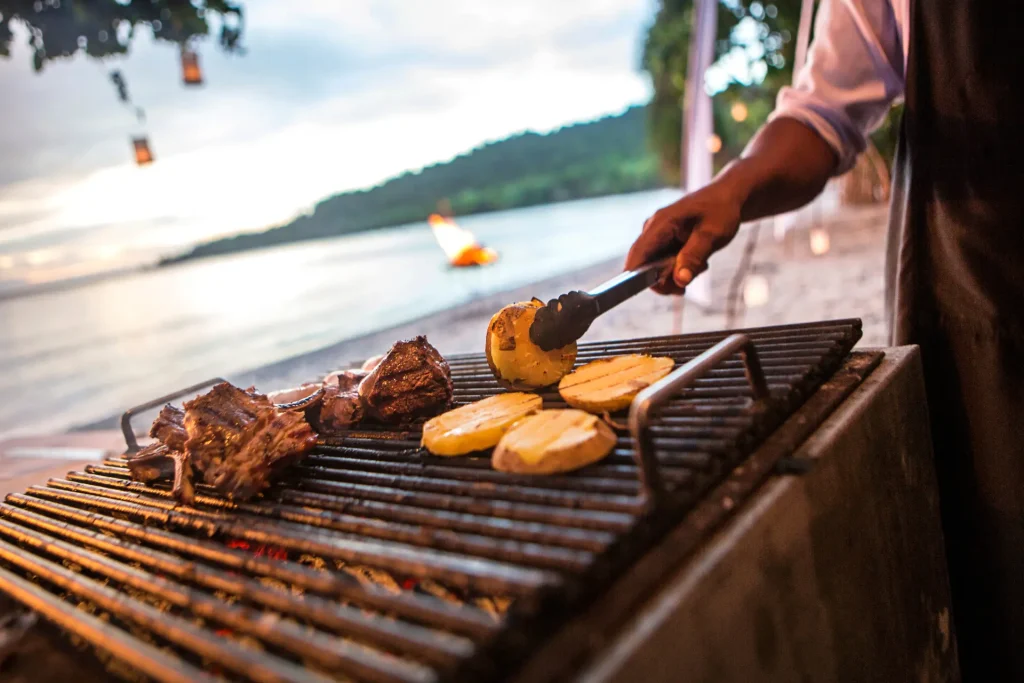
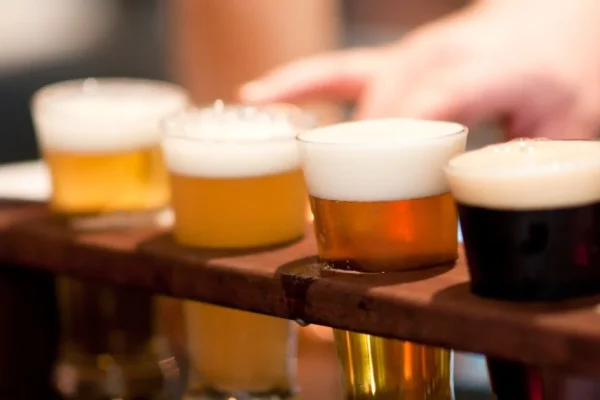
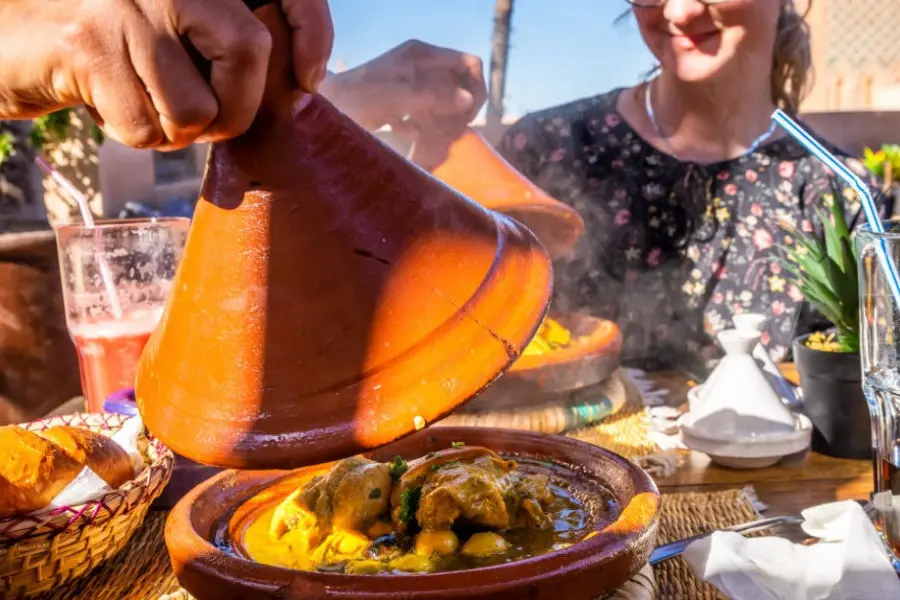
Food is often where slow travel truly begins. Shared meals, local recipes and regional traditions carry stories that no museum or guidebook can fully explain. When you sit down to eat where a dish was born, surrounded by the rhythm of daily life, something shifts. The experience becomes personal.
In Italy, this may mean a long lunch that stretches into the afternoon, where pasta is shaped by hand and wine is poured without hurry. In France, it could be a quiet evening in a countryside kitchen, tasting food that reflects the land and the season. In Japan, it might be a carefully prepared meal where every element is intentional, calm and precise. These moments linger because they engage the senses and the emotions together. They are central to meaningful slow travel experiences.
How Slow Travel Deepens Emotional and Romantic Connection
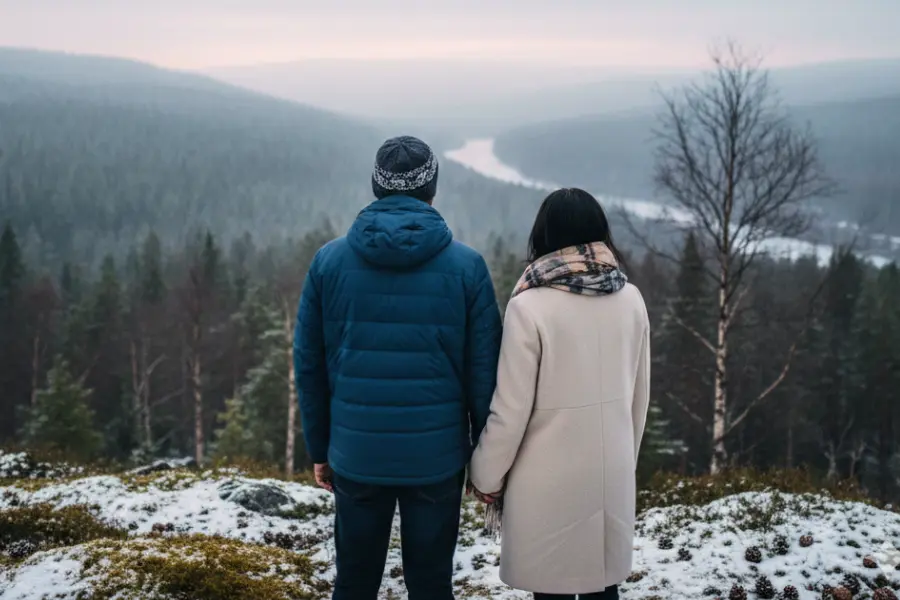
Slowing down changes the way people connect, both with a destination and with each other. Without the pressure of constant movement, conversations unfold naturally. Silence becomes comfortable. Moments are shared rather than scheduled.
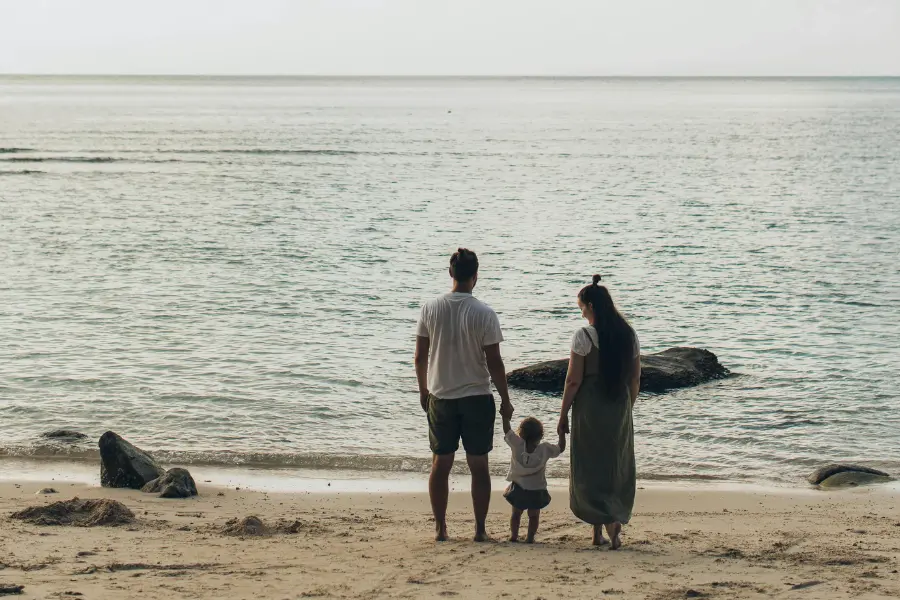
For couples, slow travel often becomes a deeply romantic experience. Morning walks without destination, shared meals prepared together, evenings shaped by reflection rather than plans. These journeys create space for presence and closeness. The absence of rush allows emotions to surface gently. This is why slow travel experiences are so often associated with romance, anniversaries and journeys taken to reconnect.
Why Italy, France, and Japan Are Ideal for Slow Travel
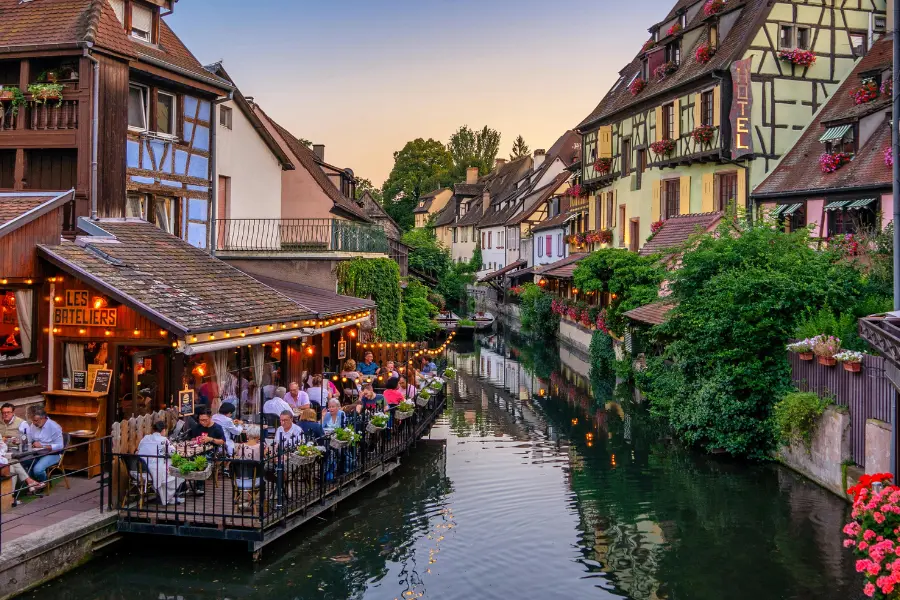
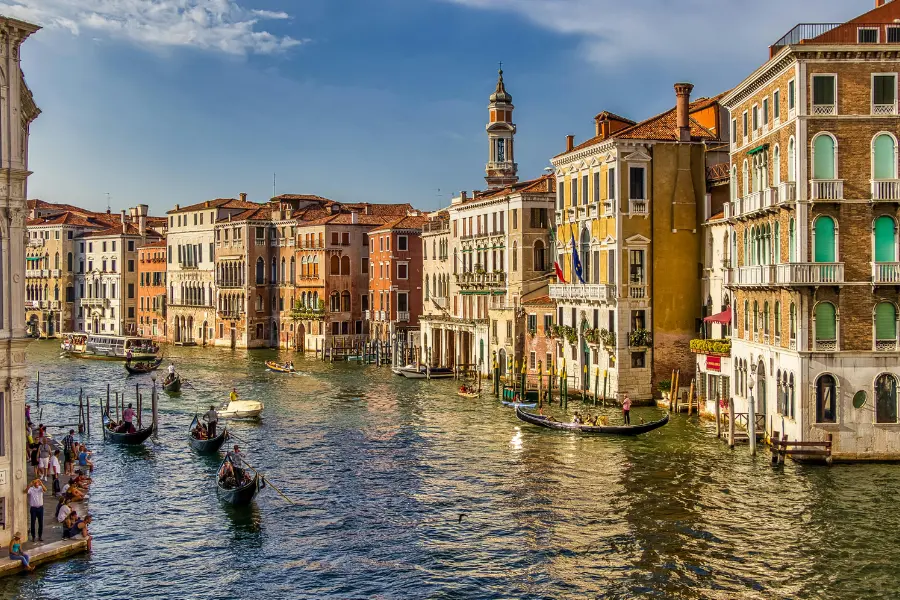
Certain destinations naturally invite a slower rhythm. Italy encourages lingering through its food culture, walkable towns and deeply rooted traditions. Life here is built around the table, the neighbourhood and the pleasure of time spent well.
France offers a similar depth through its regional identities. Each village, market and kitchen tells a story shaped by history and craft. Slow travel here is about understanding place through nuance, through taste, through repetition rather than novelty.
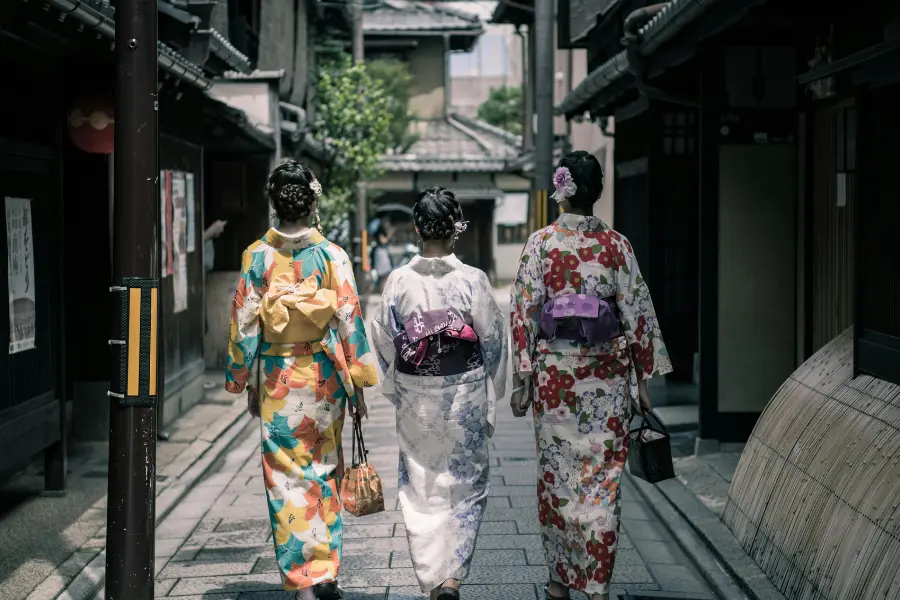
Japan presents a different but equally compelling approach. Slowness here is found in precision, ritual and respect for detail. From tea ceremonies to seasonal cuisine, Japan teaches travellers how attentiveness can transform even the smallest moment. Together, these destinations continue to define what meaningful slow travel experiences can look like.
Time as the True Luxury
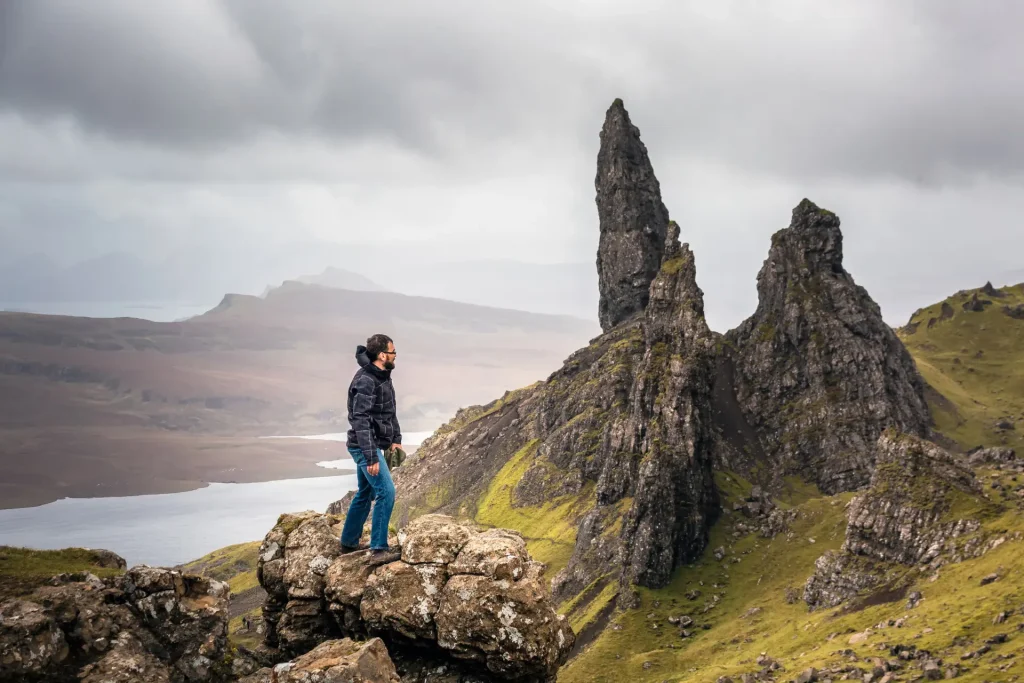
At its core, slow travel reframes the idea of luxury. Luxury becomes time rather than excess. Space rather than scale. Depth rather than volume. It is the freedom to stay longer, to return to the same café, to recognise familiar faces, to feel known by a place.
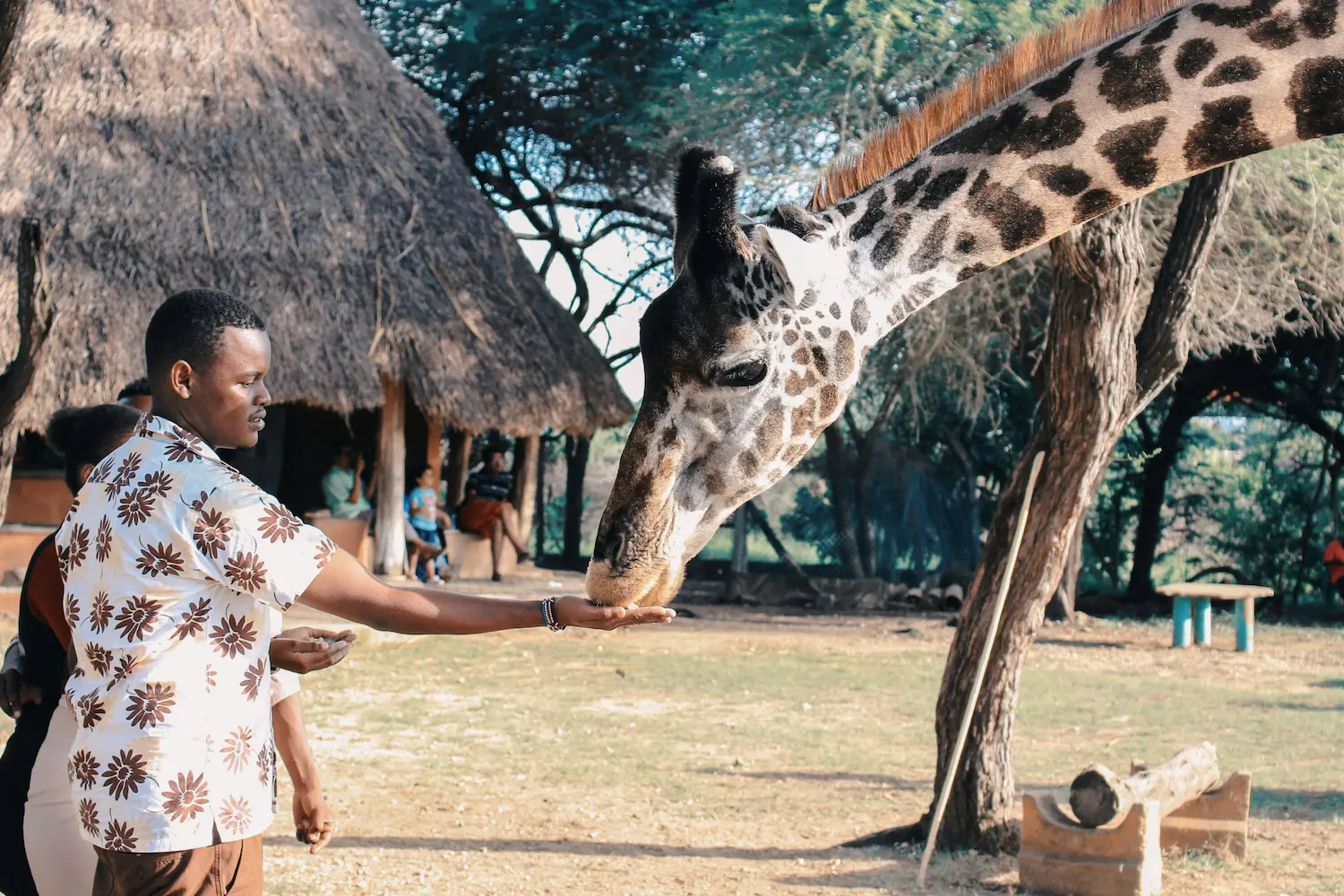
This way of travelling invites travellers to move beyond observation and into participation. To feel less like visitors and more like quiet witnesses to everyday life. It is this intimacy that gives slow travel its lasting emotional power.
The Away&Co Approach to Slow Travel
At Away&Co, we believe that the most beautiful journeys are shaped slowly. Each experience is crafted with care, rooted in culture, guided by food, and designed to allow space for connection. Our slow travel experiences are created for travellers who value meaning over momentum and presence over pace.
If you feel called to explore the world in a more thoughtful way, to taste places as much as you see them, and to travel with intention, we would love to craft that journey with you.